
Antioch Neighbors and the Block Sources
One address can open several record layers, but they do not all describe the same thing. This block-lookup table distinguishes physical parcels, recorded owners, civic geography, organized contact, and historical occupants before any name is interpreted.
| Source | What It Shows About a Block | Access |
|---|---|---|
| CCMAP and ParcelQuest Lite | Parcel outlines, APNs, situs, values, structures, and map context | Free web tools; owner names omitted online |
| Contra Costa assessor roll | Owner and mailing address for a defined parcel list | Public counter in Martinez; fees and protected fields apply |
| Antioch council-district GIS | Political district and civic geography around an address | Free city address search; not an occupant record |
| Neighborhood Watch | A contact route and block-captain structure | Call 925-779-6980 or use the program email route; no public roster |
| Agenda Center and council minutes | Association names, speakers, appointments, and public context | Searchable city archive; names stay tied to each document |
| Voter registration records | Permitted registration fields, never a casual street list | Individual status tool or qualified-use file request |
Owners are not the same as occupants, a parcel is not always one home, and a block captain's list is not a citywide directory. A corner parcel may face a different street, a condominium APN may cover multiple units, and vacant land may have no situs number. Record the query date because county parcel data is updated monthly.
Click Outward from an Antioch Address in CCMAP
CCMAP is the practical first map for Antioch neighbors because it turns one address into a finite set of parcel identifiers. Search by the street address or APN, zoom until parcel outlines are clear, and use the map's layers, aerial context, and advertised radius or selection tools. The goal is not to guess house numbers. It is to preserve the APNs that surround the starting parcel.
- Open CCMAP and search the full address, or use the APN when the parcel is vacant or the street number is unclear.
- Turn on parcel outlines and use the map context to identify every polygon that touches or falls near the target.
- Click neighboring polygons one at a time, or use radius selection, and record each APN, situs, and relevant characteristic.
- Separate corner, condominium, common, and vacant parcels so one map shape is not counted as one household.
- Take the finite APN list to the assessor counter, then compare owner information with the map and the legal description.
CCMAP supplies geography and attributes, not online owner names. For a whole named street and its longer record chain, the Antioch street directory workflow is the more appropriate next step.
Build a Finite APN List for Antioch Neighbors
Insider tip. Radius selection is most useful when it creates a short, auditable list. Write down the distance or selection method, the APNs returned, and the date. A radius counts parcels, not people, and a parcel can contain multiple units or no occupied structure. The list is therefore a research boundary, not a claim about who is present.
Use the map to distinguish a backyard parcel from a parallel street, a shared common parcel from a private lot, and a road edge from a property boundary. Keep the APN even if the displayed street label changes. When a parcel has no assigned situs, use the legal description or map location rather than inventing a house number.
Note: A radius list counts parcels, not homes, units, or people on the same block.
The county's parcel shapefile is updated monthly and downloadable. That can help preserve a dated geography, but it does not overcome the county's online owner-name suppression. The clean handoff is map online, APN list in your notes, roll information at the counter, and recorded instruments for changes over time.
Antioch Neighbors' Owner Names Are a Counter Question
Contra Costa deliberately omits owner names from its free web property tools because maintaining protected-address exclusions selectively online was judged impractical. The roll remains public at the assessor's Martinez counter. Bring a finite APN or address list, ask for the public roll information, and keep each owner name tied to the parcel that produced it.
A mailing address is not proof that the owner lives on the parcel. It is a destination for notices. The situs address identifies the land, and a deed or legal description identifies the recorded interest. This is why online value and structure data can be useful while a simple web search cannot finish a question about Antioch neighbors.
If the purpose changes from a block overview to a chain of ownership, use the county recorder's name, APN, document, date, map, and legal-description search fields. Do not merge a same-name assessor result with a deed until the parcel and dates agree.
Antioch Council District GIS Adds Civic Geography
The city council-district GIS adds a layer CCMAP does not provide. Open the city GIS, choose Layers, select “Antioch Council Districts,” and use the left-column Search by Address. District 1 lies north of Highway 4, District 4 is the southernmost, and Districts 2 and 3 follow combinations of Highway 4, Davison, Hillcrest, Lone Tree, Delta de Anza, James Donlon, and Somersville.
This map can explain why two nearby parcels belong to different civic conversations, but a council district is not a neighborhood membership list and does not prove an occupant. Postal ZIPs, city limits, school districts, and council boundaries can describe the same address differently. Preserve the layer name and search date when using the map in a neighborhood-history note.
Use the Antioch council-district address tool for the civic layer, then return to the parcel APN for land research.
Antioch Neighbors Can Use Watch as a Contact Route
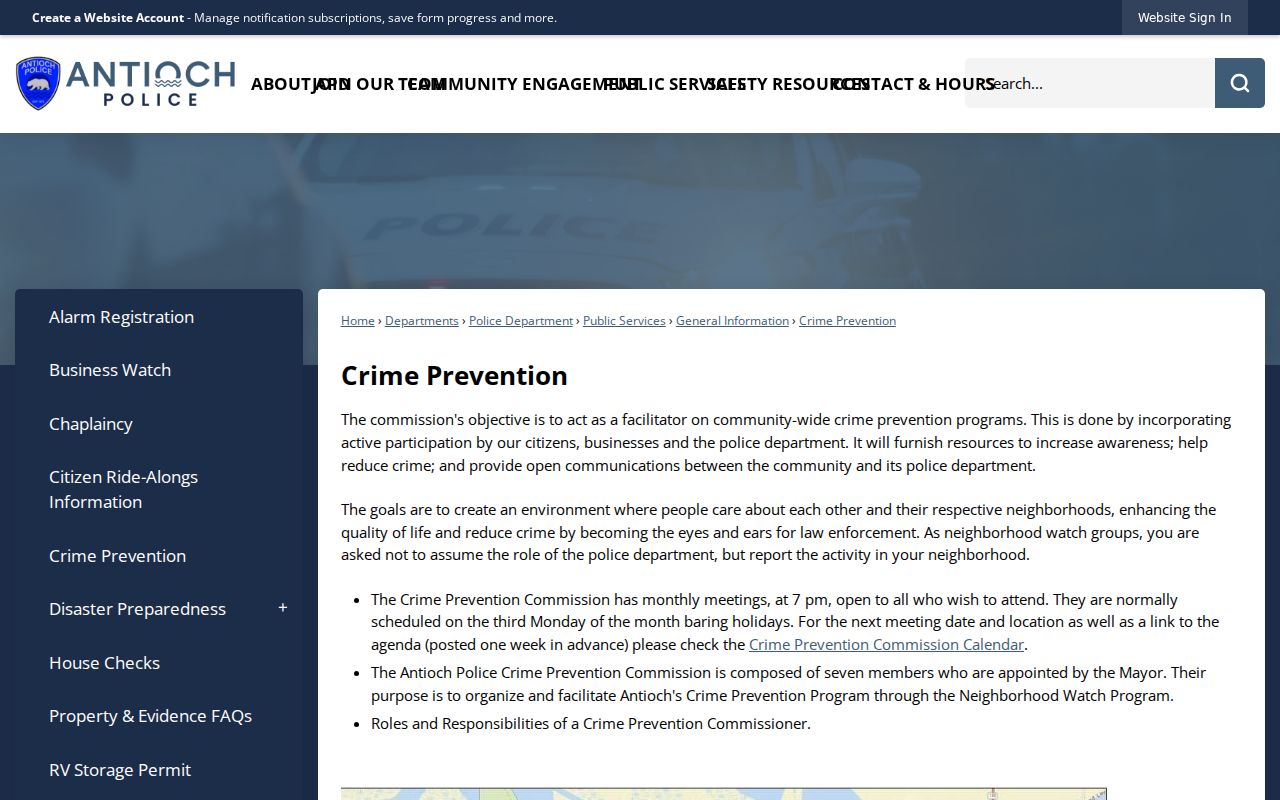
Neighborhood Watch is a communication route through the police Crime Prevention program, not a public resident roll. A resident can call 925-779-6980 or use the program's published email route to ask whether a group exists or how to start one. Groups choose a block captain, and the captain may maintain a master member list, but the city does not publish member or household rosters.
The Antioch Crime Prevention page describes the official contact setting for the program.
The city’s current Neighborhood Watch page is another contact route; it does not publish member rosters.
Ask the program to relay a contact rather than requesting private addresses. That respects the difference between a community network and a searchable directory, and it keeps a personal lookup from becoming unwanted contact.
Antioch Agenda Records Put Associations in Context
The City Agenda Center reaches back to 1997 for City Council agendas and minutes, with commission material for many later years. Its search controls include time-period buttons, Start Date, End Date, Enter Search Terms, and Category. Names can appear in appointments, staff reports, speakers, written correspondence, and permit appeals. Read the surrounding item because a name in minutes is not automatically an address or membership record.
| Neighborhood Watch | Contact route through Crime Prevention; block captains coordinate communication; household roster not public. |
|---|---|
| Black Diamond Canyon Neighborhood Association | The name appears in an official council record. Current membership, directory, and independent contact details were not established. |
| Agenda Center | Search by date, time period, keyword, and category back to 1997; retain the meeting context. |
| Private community rosters | HOAs, neighborhood groups, faith organizations, schools/PTAs, and service clubs may keep their own lists; ask through published organizational channels. |
The Black Diamond Canyon name should therefore be cited only as it appears in council minutes. No authoritative public “all neighbors” directory was located for Antioch.
Note: A name in minutes must stay tied to its meeting item, date, and public role.
Antioch Organization Lists Are Not Resident Rolls
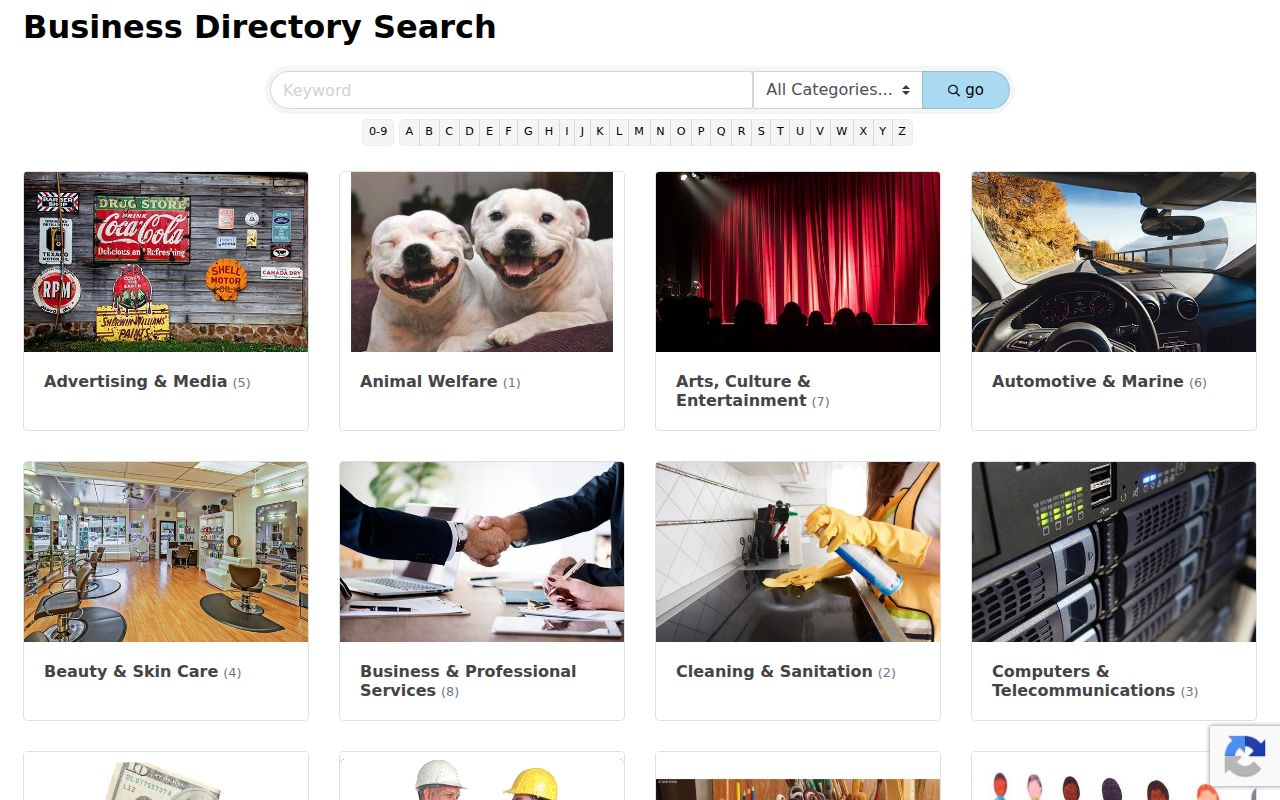
The Antioch Chamber directory is useful for finding organizations that may know a neighborhood, civic, religious, education, or arts contact. Its search offers Keyword, category, Go, and 0-9 or A-Z browsing, with categories such as civic/community, religious, government/education, and arts/culture. The Chamber is at 640 W. 2nd Street and lists 925-757-1800.
The Antioch Chamber directory is an organization list, so it should be used to locate a group rather than infer the private members of a block.
Museum group binders, yearbooks, church or school material, and regional historical collections can add context to an older block. None is current contact evidence, and donor or member restrictions may apply.
Official Antioch Neighbors Sources Versus Commercial Compilations
It is useful to compare source categories without treating them as interchangeable. Official records have a custodian, a defined field set, and a stated access rule. Commercial compilations may combine public and purchased data, may be stale, and may merge people with similar names. Neither category should be used to make a claim beyond the fields it actually supplies.
| Category | Best question it answers | Limit to keep in view |
|---|---|---|
| County GIS and assessor records | Which parcel and recorded roll owner are tied to an APN? | Owner names are counter-only; ownership is not occupancy. |
| City council GIS and agenda archive | Which civic district or public group appears around an address? | Political geography and meeting names do not prove household membership. |
| Neighborhood Watch and private rosters | How can a block communicate through an organization? | Participation is voluntary and lists are not public. |
| Commercial compilation | What possible public-data association needs independent checking? | May be outdated, mixed across identities, or missing protected people. |
For an Antioch block, start with the official map and APN list. Use an organization only for a voluntary contact route, and return to the custodian whenever a fact matters.
Antioch Neighbors and the Privacy Boundary
California's voter-status tool is individualized, not a reverse directory. It asks for identity details such as first name, last name, date of birth, and sometimes driver-license or ID information or Social Security number digits. It can return a personalized status, districts, polling information, or ballot status, but it cannot lawfully be used as a casual street browse. Voter-file access is limited by Elections Code sections 2194 and 2188, and protected fields, signatures, ID numbers, and Safe at Home information are confidential.
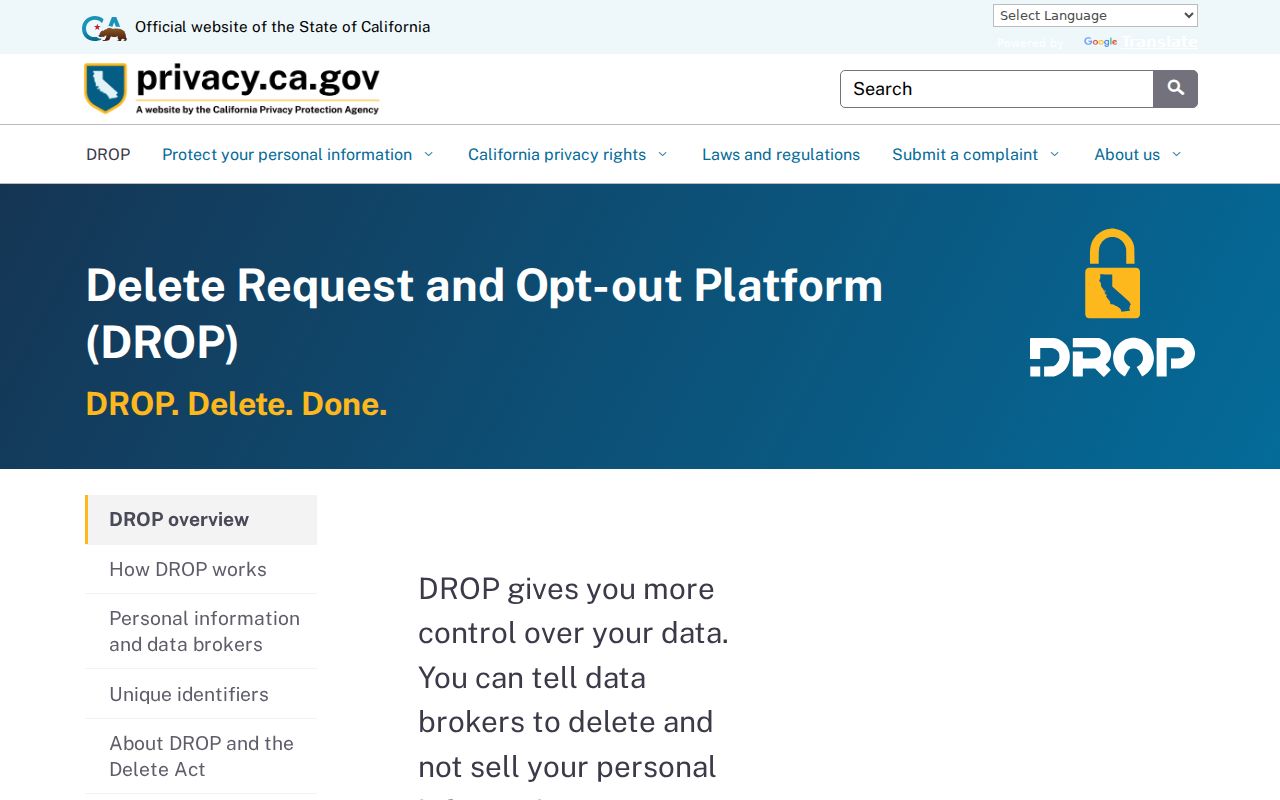
Safe at Home gives eligible survivors and protected participants a substitute mailing address. Do not combine parcel, voter, directory, or community data to uncover a protected location. The California Delete Request and Opt-out Platform, or DROP, affects registered commercial brokers, not accurate deeds, dockets, assessment rolls, or archives. It is a privacy request mechanism, not a way to rewrite official history.
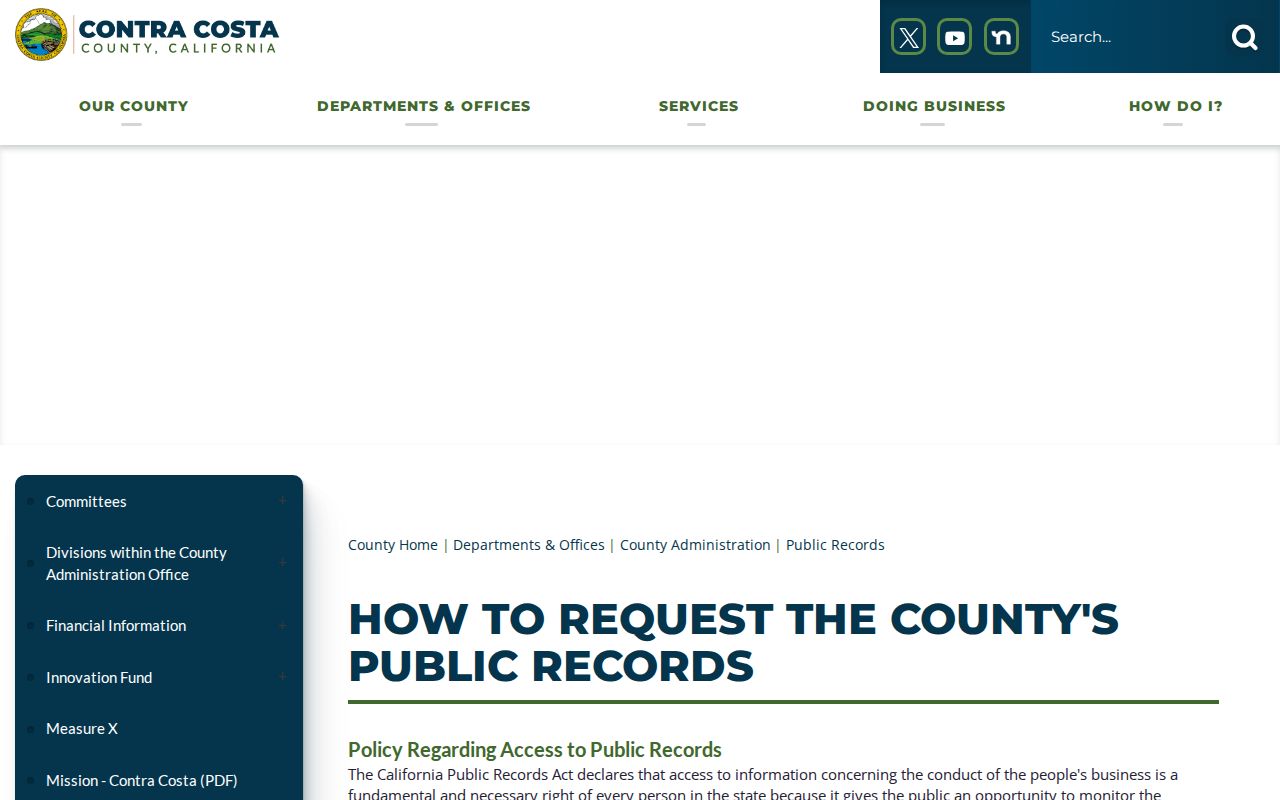
The Contra Costa public-records page explains the county request channel when a finite record is not online. Requests may be oral, by phone, at a counter, or by email, mail, or fax to the custodian; inspection is generally free while copies can carry direct duplication costs.
The California DROP page is the official route for the centralized broker deletion and no-sale request system.
Lawful use. Use a block lookup for neighborhood history, civic participation, reconnecting, or personal safety awareness. Do not use it to monitor, threaten, intimidate, or repeatedly contact a living person.
Note: Privacy programs can remove the most sensitive address clues from an otherwise detailed parcel map.